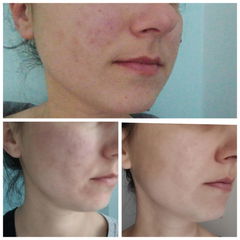
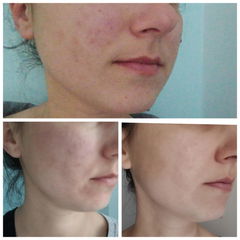
Discoloration: Causes, Symptoms, and Treatment
*Updated on April 14, 2026
*Reading time: 7 minutes
Table of Contents
Introduction to Discoloration
Our skin is an integral part of our individual identity and self-confidence. However, despite its beauty, skin can face challenges, and one of these is discoloration. We will explore the world of discoloration, discovering its causes, the various types that can appear, and the available treatment options that can help us address this important issue of our skin health.
Go to table of contents
Causes of Discoloration
Skin discoloration can be caused by many different factors, each with its own impact on skin health. Sun exposure is one of the main factors, as excessive UV rays can cause hyperpigmentation and spots. Hormonal changes, such as pregnancy or hormonal imbalances, can also play a role, while skin aging can lead to uneven skin tone. At the same time, external factors such as smoke, pollution, and exposure to chemicals can worsen skin discoloration. By understanding the causes of these discolorations, we can adapt our skincare and habits to protect and improve the appearance of our skin.
Go to table of contents
Types of Discoloration and Symptoms
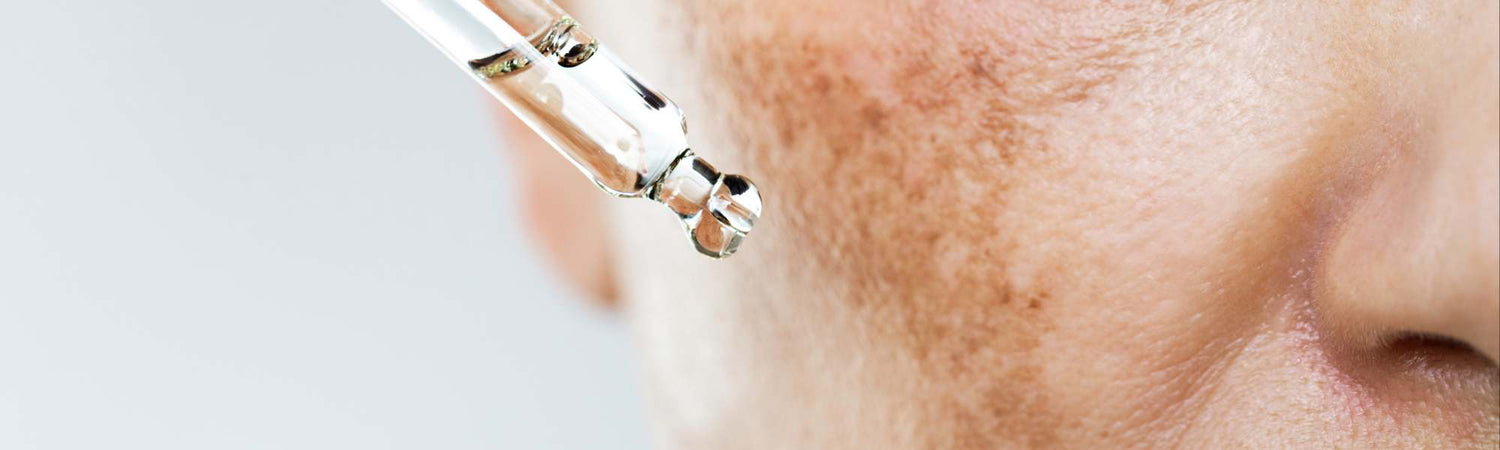
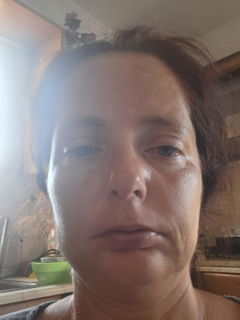
Skin discoloration can appear in various types and manifest with different symptoms, depending on the cause and type of each discoloration. The main types of discoloration include spots, blemishes, hyperpigmentation, and dark areas. Spots are small, superficial irregularities in the skin that can have various causes, while blemishes can be larger areas of uneven color. Hyperpigmentation is a condition where certain areas of the skin become darker than the rest of the skin tone, while dark areas refer to areas that show intense hyperpigmentation and can be caused by sun exposure, hormonal changes, or other factors. By understanding the different types of discoloration and their symptoms, we can proceed with effective treatment options.
Go to table of contents
Diagnosis of Discoloration
The diagnosis of discoloration requires a dermatological evaluation by a specialist in the field. During the examination, the dermatologist carefully examines the skin for the presence of discoloration and evaluates its size, color, and shape. In addition, they may use special examinations such as dermoscopy to examine the discoloration in more detail and identify possible changes in the skin. The accuracy and professional experience of the dermatologist are crucial for the correct diagnosis and appropriate treatment of discoloration, offering the patient the necessary help and encouragement.
Go to table of contents
Treatment of Discoloration
The treatment of discoloration depends on the type and cause of each discoloration. A careful evaluation by a specialized dermatologist is necessary to choose the appropriate treatment for each case. Treatment options may include the use of creams and lotions with depigmenting properties, the application of dermatological procedures such as chemical peels or laser therapy, and changes in skin care habits. In addition, the prevention of recurrence of discoloration includes the use of sunscreens and sun protection, as well as maintaining a healthy lifestyle and diet. With a comprehensive approach and proper guidance from specialists, the treatment of discoloration can lead to impressive results and the achievement of healthy, radiant skin.
Go to table of contents
Prevention of Discoloration
The prevention of discoloration is an essential step in maintaining healthy and radiant skin. A proper skincare routine includes the use of sunscreen products when exposed to the sun, as excessive UV rays can worsen discoloration. Also, a healthy diet rich in antioxidants and vitamins is important for maintaining skin health. In addition, avoiding smoking and reducing exposure to pollution and chemicals are important preventive factors. Regular visits to a dermatologist for evaluation and advice can contribute to the prevention of discoloration and the maintenance of healthy skin for longer.
Go to table of contents
Diet and Discoloration
Diet plays an important role in skin health and the appearance of discoloration. Some foods can strengthen the skin's natural resistance to harmful effects, while others can cause inflammation or worsen discoloration. Fruits and vegetables containing antioxidants, such as vitamin C and E, can help combat free radicals and protect the skin. In addition, consuming healthy fats such as Omega-3 fatty acids can reduce inflammation in the skin. On the other hand, overconsumption of processed foods, sweets, and high-sugar foods can worsen discoloration and overall skin health. A balanced diet rich in natural ingredients can contribute to the effective management and prevention of discoloration.
Go to table of contents
Natural Remedies for Discoloration
Natural remedies for discoloration offer an alternative approach to treating them, focusing on the use of natural ingredients with therapeutic properties. Some popular natural ingredients include aloe vera, lemon, honey, almond oil, and green tea extract. Aloe vera, for example, is known for its moisturizing and rejuvenating properties, while lemon can help lighten the skin and reduce spots. In addition, honey has antimicrobial and anti-inflammatory properties that can help treat discoloration. The use of natural remedies is a safe and natural option for improving skin appearance without the use of chemicals.
Go to table of contents
Frequently Asked Questions
The "Frequently Asked Questions" section is here to answer all your questions about Discoloration, offering you rich information and answers from experts. Discover everything about the causes, effective treatments, and prevention methods.
What are the main causes of discoloration?
Discoloration can be due to various factors, including sun exposure, skin aging, hormonal imbalances, and genetic predisposition.
What are the main methods of treating discoloration?
Treatment methods may include the use of depigmenting creams, lasers, natural remedies, and dermatological procedures.
How can I prevent discoloration?
Preventing discoloration includes avoiding excessive sun exposure, using sunscreen, eating a healthy diet, and regularly applying natural skincare products.
Are natural remedies for discoloration safe?
Natural remedies can be safe, but it's important to discuss with a dermatologist before starting any new treatment. Some natural ingredients may cause allergic reactions or irritation in some individuals.
Go to table of contents
More Resources
For more information and advice on managing discoloration and skin care, explore the following resources:
-
Healthline: Various information about health and wellness, including articles on dermatology and discoloration.
-
WebMD: One of the leading websites for medical information, with a wealth of articles and advice on skin care.
-
Mayo Clinic: Specific advice and guidelines from the Mayo Clinic for treating skin problems.
-
Skin Cancer Foundation: Information and resources for the prevention and treatment of skin cancer, as well as general skin care.
Explore these resources to learn more and improve your personal skin care.
Go to table of contents
Natural Care for Discoloration: Achieve Radiant and Even-Toned Skin
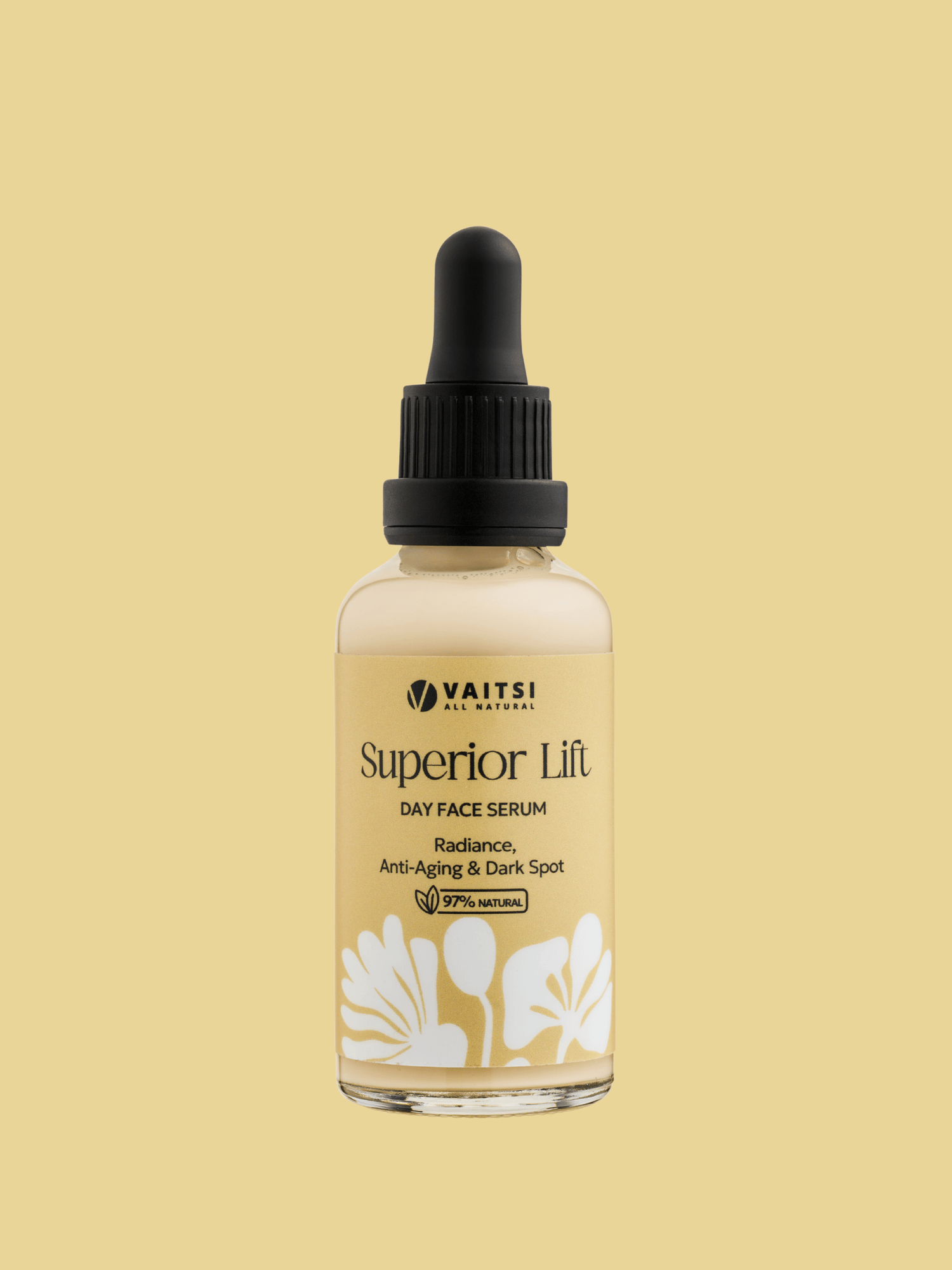
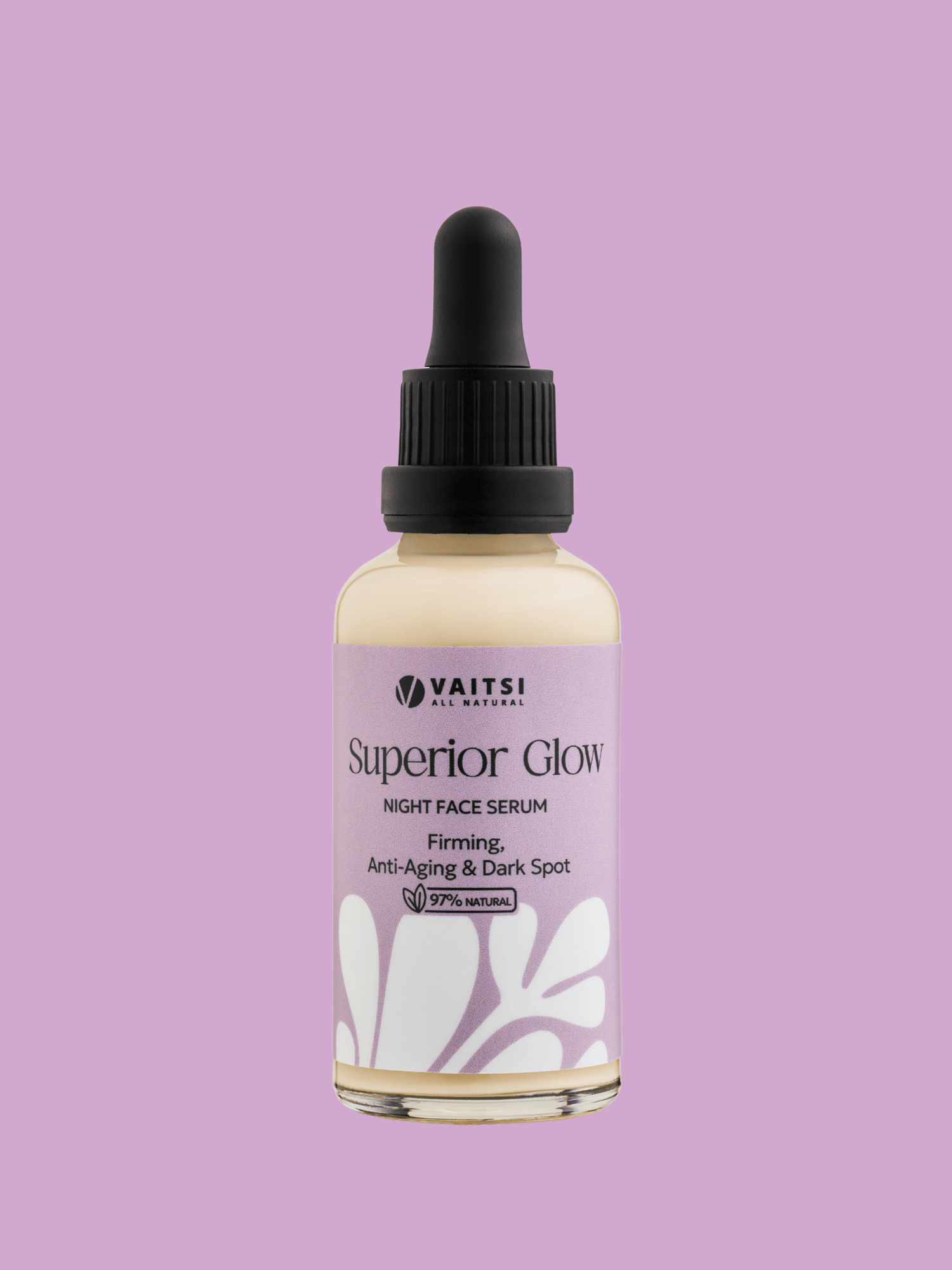
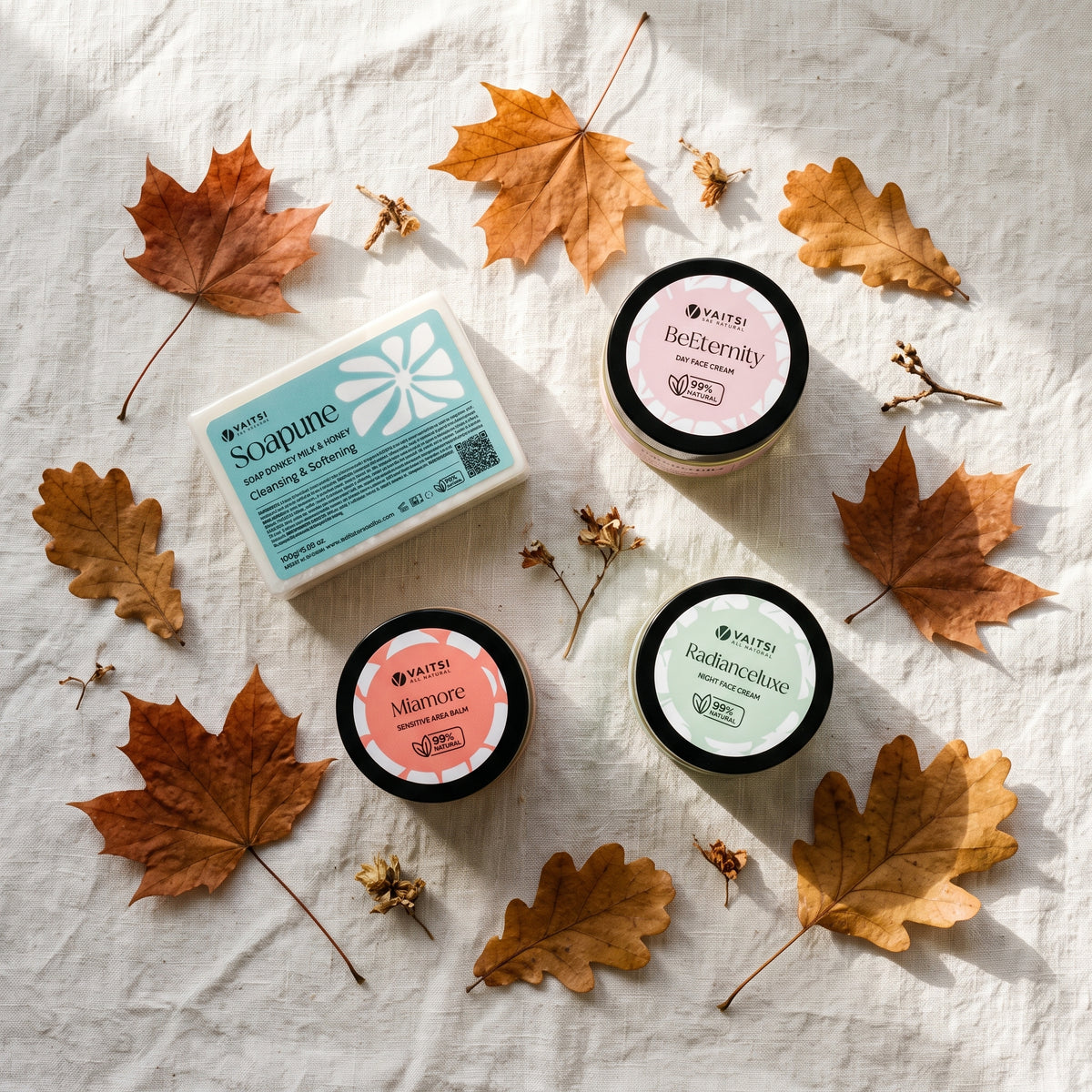
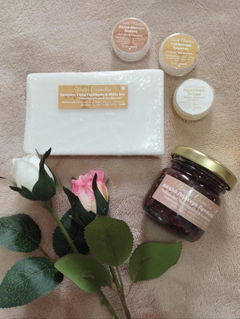
Treating discoloration requires careful care with natural ingredients. Our facial serums, enriched with aloe, linden, primrose, and other active ingredients, help with natural radiance and treat discoloration. Firming and anti-aging offer additional benefits, while plant extracts help rejuvenate the skin. Choose the natural approach to achieve radiant and even-toned skin that will make you stand out.
Go to table of contents
Links for Further Reading
For further reading and information on thematic collections and information on conditions, visit the All Conditions page on our website. There you will find a wide range of topics with information, symptoms, diagnostic criteria, and treatment options for every condition that troubles you. In addition, for more information about our products and services, you can visit our homepage. Furthermore, you can contact us either through our contact page, or by phone at +306949699484.
Go to table of contents
Keywords: Skin discoloration, Discoloration treatment, Discoloration therapy, Causes of discoloration, Spots and blemishes, Effective solutions for discoloration, Products for discoloration, Dark skin areas, Discoloration repair, Hyperpigmentation treatment
Products for Discoloration